When you work with furniture or upholstery, one small tool can make a big difference. That tool is called a Webbing Stretcher. It helps pull and tighten webbing so the seat or back of a chair stays firm and comfortable. Without it, the fabric or seat may sag, and your work won’t last long. Webbing Stretchers make this job easy, fast, and clean.
What Is a Webbing Stretcher
A Webbing Stretcher is a tool used to pull upholstery webbing tight before it’s nailed or stapled down to a chair or sofa frame. Webbing is the strong strip that supports cushions and seats, usually made from jute, nylon, or elastic.
When you pull webbing by hand, it can slip or feel uneven. A webbing stretcher gives you a strong grip so you can stretch the webbing evenly and fix it tightly on the frame. It keeps furniture firm and gives a clean, pro look.
Types of Webbing Stretchers
There are many kinds of Webbing Stretchers. Each type has its own design, and it fits different jobs. Knowing the right one helps you work better and saves time.
Wooden Webbing Stretchers
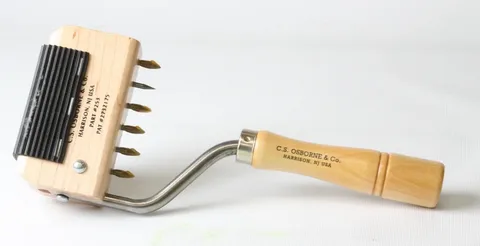
Wooden Webbing Stretchers are the most common type. They are made from strong hardwood and often have metal teeth that grip the webbing. They are easy to use and light in hand. This type works well for small or home upholstery projects. Many people love them because they are simple and don’t cost too much.
Metal Webbing Stretchers
Metal Webbing Stretchers are made from steel or aluminum. They are stronger and last much longer. These are great for heavy furniture or large upholstery jobs. The grip is firm, and they don’t bend or crack. They’re mostly used by professional upholsterers who work with tight webbing every day.
Rubber or Plastic Webbing Stretchers
These are softer and lighter tools, often used by beginners. They have smooth grips and don’t scratch or damage furniture frames. Rubber or plastic Webbing Stretchers work well for smaller furniture pieces or projects where you need gentle pressure.
Mechanical or Lever Webbing Stretchers
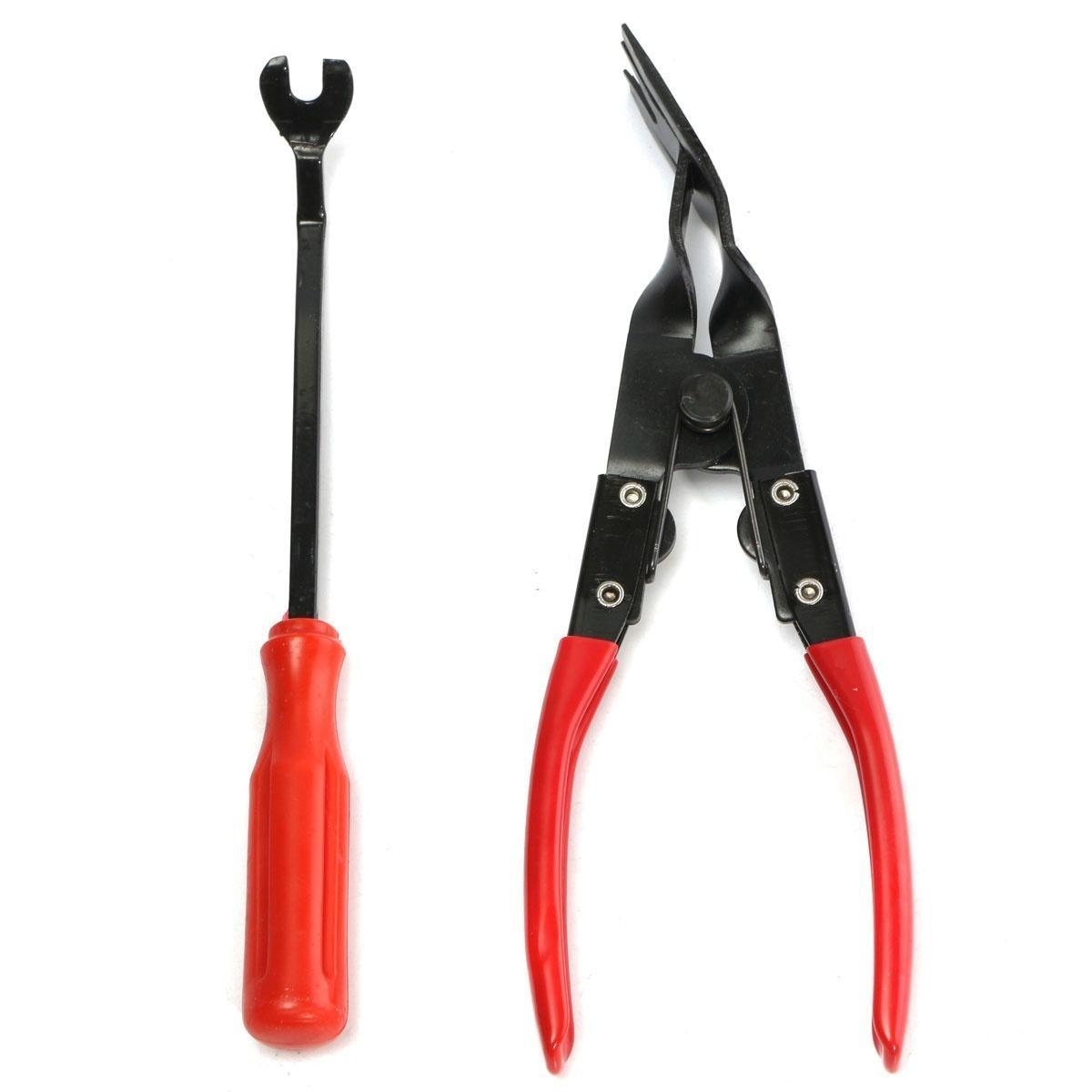
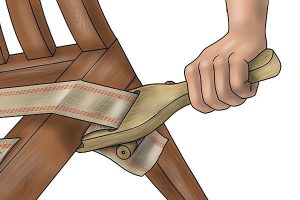
These are more advanced tools with a handle or lever system. You push or pull the lever to stretch the webbing tight. This type gives more power and control, which is good for thick or strong materials like jute or nylon. It’s perfect for commercial upholstery or car seat repairs.
How to Use a Webbing Stretcher
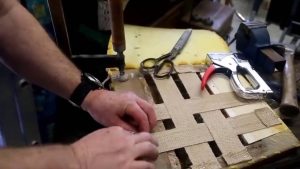
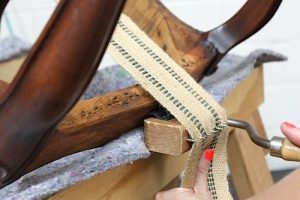
Using a Webbing Stretcher is not hard once you get used to it. First, you attach one end of the webbing to the frame with staples or tacks. Then, hook the free end into the stretcher. Pull or press the handle to stretch it tight. Once it feels firm, staple or tack the other end to the frame. Repeat for each strip of webbing until the seat or back is done.
The goal is to make the webbing tight but not too tight. If it’s loose, the seat will sag. If it’s too tight, it can tear or warp the frame. You need just enough stretch to make it flat and firm.
Choosing the Right Webbing Stretcher
Picking the right Webbing Stretcher depends on your work. If you do small home repairs, a wooden or plastic one works fine. If you run a shop or work on old furniture often, go for a metal or lever-type stretcher.
Think about comfort too. A good handle makes a big difference when you work for a long time. Also check the grip some have teeth for better hold, others are smooth for soft webbing. The best stretcher is the one that fits your project and feels right in your hand.
Common Mistakes to Avoid
Many people make small mistakes when working with webbing. Some pull too hard and damage the frame. Others forget to staple the first end tight before stretching. Always make sure the first end is secure before pulling.
Don’t use the wrong stretcher for the wrong webbing. For thick jute or nylon webbing, use a metal or lever type. For elastic webbing or soft furniture, a rubber stretcher works better.
Keep your tools clean and dry. Dust or glue on the stretcher teeth can make it slip. And never pull the webbing by hand; it won’t be even and won’t last long.
Why Webbing Stretchers Matter
Using Webbing Stretchers makes your work faster, neater, and stronger. It helps the webbing stay flat, tight, and balanced. That means your furniture feels firm and looks nice.
Without a stretcher, it’s almost impossible to get the same result. The seat will lose shape over time and may sag again. But with the right tool, your work will last for years.
It’s one of those small tools that make a big change easy to use, affordable, and helpful for anyone who loves fixing or making furniture.
Conclusion
Webbing Stretchers are simple but powerful tools for any upholstery job. Whether you choose wood, metal, rubber, or mechanical type, they all help you get that perfect, firm stretch on webbing.
From chairs to sofas to car seats, this tool makes the job easy and clean. If you care about quality and comfort, you need a good webbing stretcher in your tool kit. It saves time, gives better results, and helps your furniture stay strong and beautiful.